Time:2025-11-18
In mammals, the cerebral cortex is responsible for high-level functions such as sensorimotor transformation and decision-making. Elucidating the whole-brain connectivity of cortical neurons is crucial for understanding the neural mechanisms underlying these brain functions. Previous studies on cortical connectivity have been limited at the level of neuron populations, and yet it is still unknown how cortical functional connectivity is fulfilled by individual neurons. In addition, the relationship between the structural cortical connectivity and other data modalities such as transcriptomes, calcium imaging data, and electrophysiological recording data remained unclear.
To address these questions, Dr. YAN Jun's research group previously developed Fast Neurite Tracer (FNT) and Gapr accelerates projectome reconstruction (Gapr) (Gou et al., 2024) to reconstruct single-neuron projectomes in terabyte-scale optical imaging data. The single-neuron projectomes of the prefrontal cortex of mouse were successfully mapped (Gao et al., 2022, 2023). In this study, they reconstructed the complete axon morphologies of nearly 20,000 cortical neurons covering all brain regions of the mouse cortex, providing the largest single-neuron projectome dataset of mouse brain to date. Furthermore, this study revealed the organizing rules of cortical projection neurons in cortical connectivity and subcortical projections as well as a close relationship between intracortical connectivity, transcriptome and neuronal function through integrative analysis (Fig. 1).
The team's findings were published in Neuron on November 17.
With integrative analysis of multimodal data, they have made the following findings:
1. Mouse cortical projection neuron subtypes were identified and characterized
The researchers quantified the similarity of single-neuron axonal morphology through systematic clustering of neuronal axons across the whole brain, obtained 346 projectome-defined neuron subtypes of whole mouse cortex. They characterized the spatial distribution and whole-brain projection of these neuronal subtypes, providing important clues for further studies of the cortical function.
2. Nested modular cortical connectivity and high-resolution cortical hierarchies were revealed
The researchers divided the cortical surface into 255 fine-grained cortical columns . By establishing and analyzing the neuronal connectivity between different cortical columns, seven cortical connectivity modules and their nested submodules were revealed. In addition, the researchers found 12 basic laminar distributions of axon arbors in the cortex and constructed a high-resolution hierarchy map.
3. The sub-cortical projections of cortical neurons to the basal ganglia and thalamus were revealed
The researchers found that there are multiple combinational patterns of projections from pyramidal tract (PT) neurons to the basal ganglia. For example, in the hyperdirect pathway, PT neurons can specifically project to either the subthalamic nucleus (STN) or the external globus pallidus (GPe), or both. Further, the researchers found that, in the primary sensory cortex, cortico-thalamic (CT) and PT neurons can project to both low- and high-order thalamic nuclei. These results revealed the complexity of single-neuron cortical projection and revised the traditional cortical projection models.
4. The relationship between cortical structural connectivity and transcriptomes and functions was revealed
Through multimodal data integration, the researchers found that the two cortical brain regions with strong structural connections also tend to have synchronized calcium activities. Overall, the spatial gradient of the structure connectivity of the cortex is congruent with that of the functional connectivity of the cortex. In addition, researchers have identified transcriptome subtypes and genes related to cortical hierarchy. Importantly, the cortical hierarchy was negatively correlated with neuronal firing rate (the higher the hierarchy, the lower neuronal firing rate), suggesting that the neurons in the brain regions of higher hierarchy are more involved in information integration .
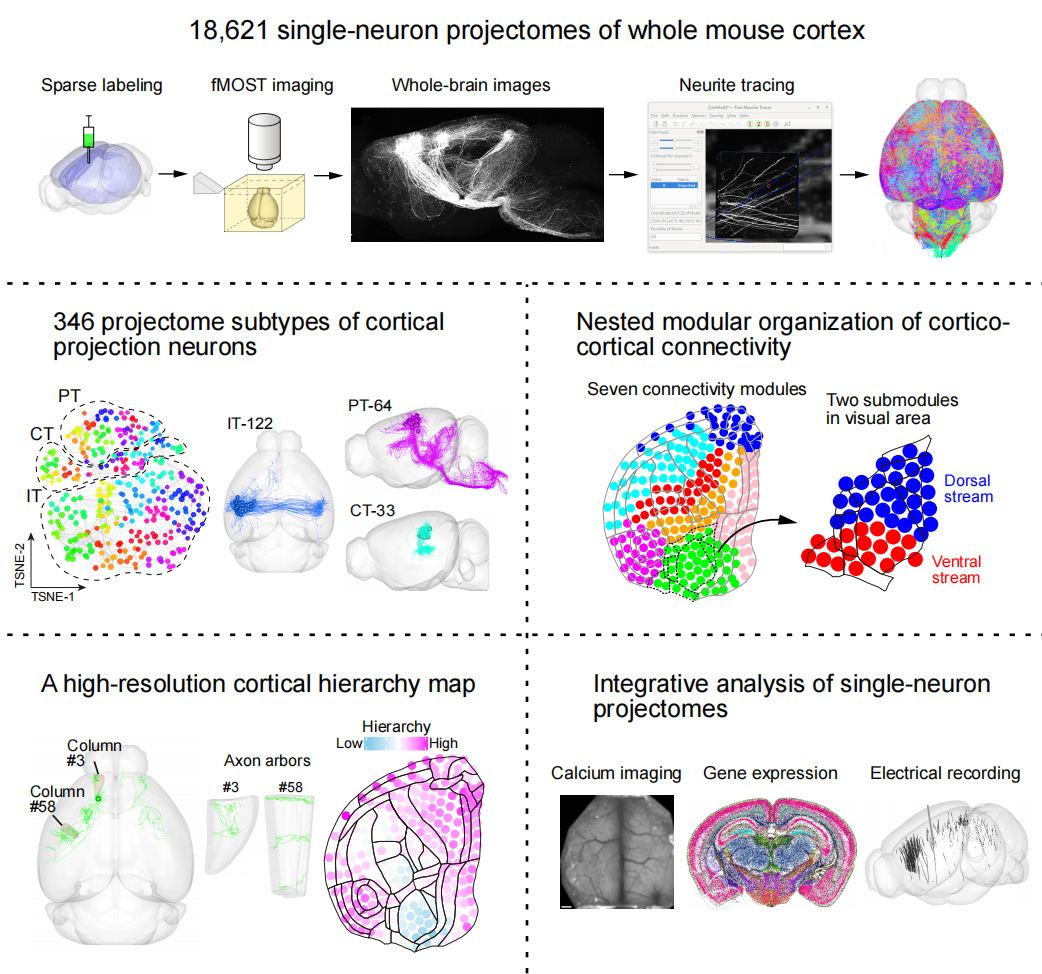
Fig. 1 Summary of the main results of the study
Contact:
YAN Jun
Center for Excellence in Brain Science and Intelligence Technology, Chinese Academy of Sciences, Shanghai, China.
junyan@ion.ac.cn
 附件下载:
附件下载: 
