Time:2025-12-12
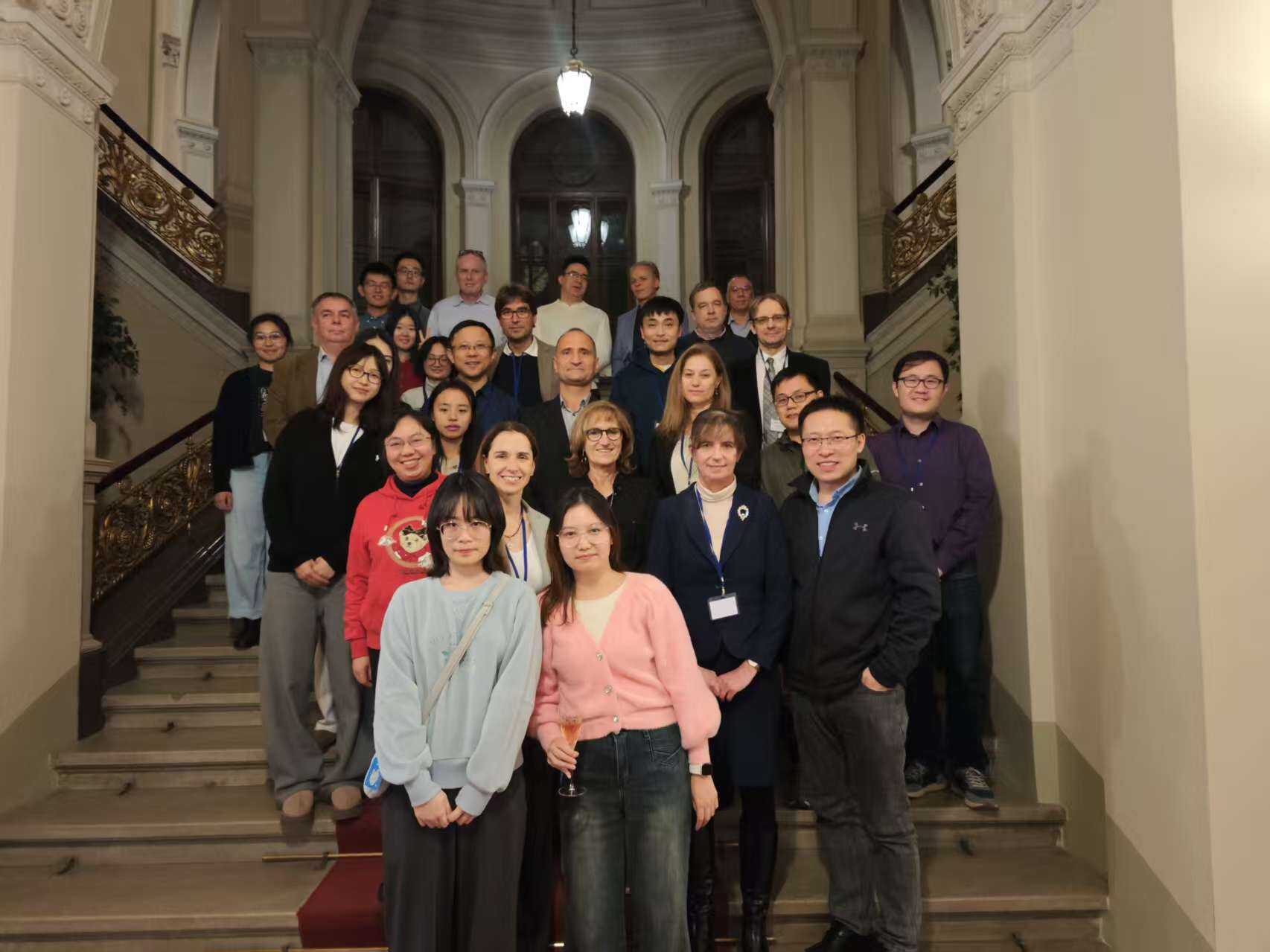
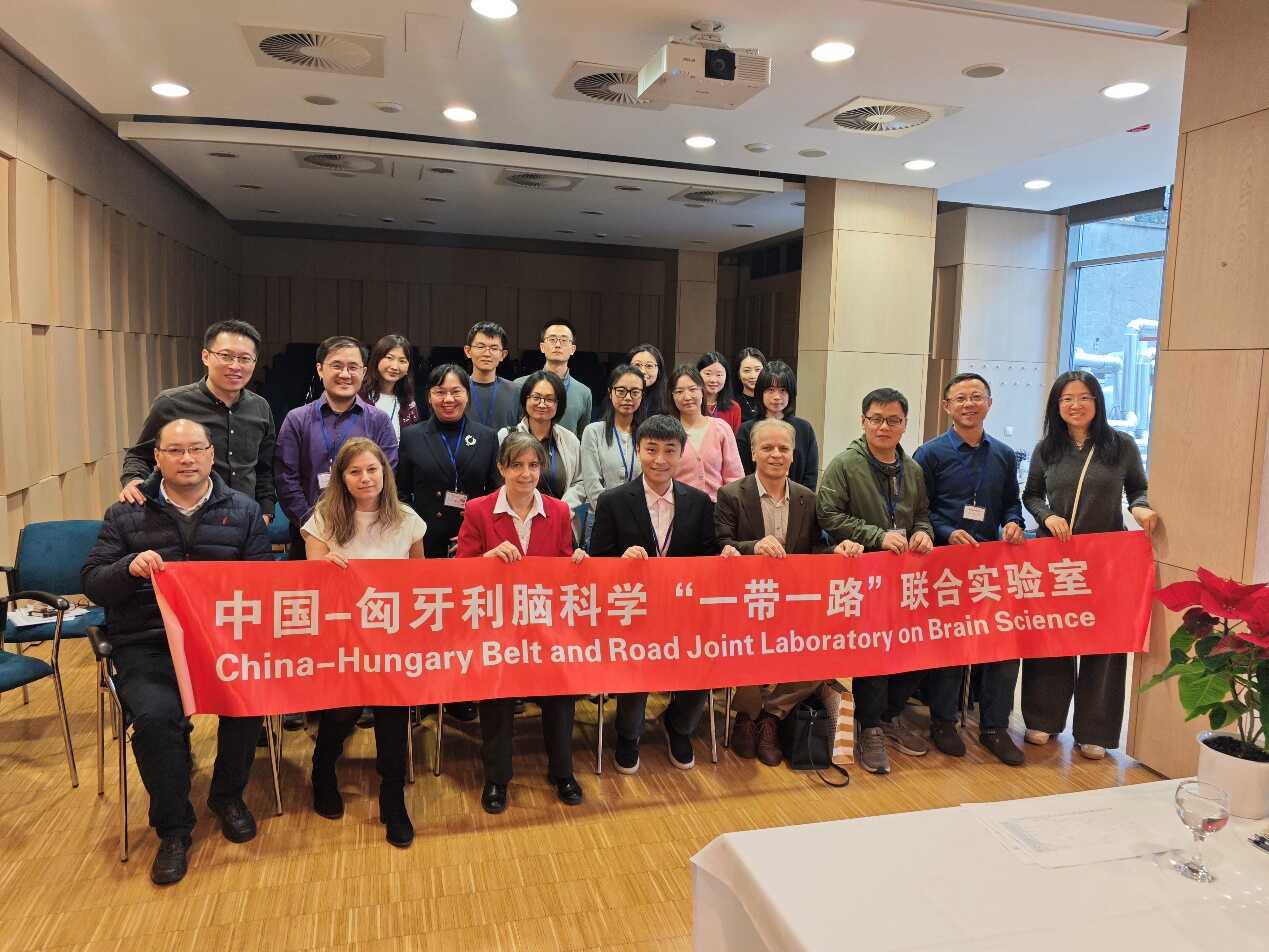
The “International Symposium on Mesoscale Brain Mapping and the Annual Meeting of the China-Hungary Belt and Road Joint Laboratory on Brain Science” was successfully held in Budapest on 3-4 December 2025, sponsored by the CAS-ANSO Conference Program (Grant No. CAS-ANSO-C2A-2024-04). The event, co-organized by the Chinese Academy of Sciences (CAS) Center for Excellence in Brain Science and Intelligence Technology (CEBSIT) and Institute of Experimental Medicine (IEM) of the Hungarian Research Network (HUN-REN), a key institution previously affiliated to the Hungarian Academy of Sciences (MTA)—a founding member of ANSO, themed “Bridging Brains: From Molecules to Behaviors” and focused on topics including brain mapping, brain mapping technology development, and brain mapping applications, while also centering on discussions covering neural circuits, cognition, behavior, and brain disorders, attracting more than 200 researchers from China, Hungary, Austria, the United Kingdom, Germany, Switzerland, France, and Luxembourg.
During the opening session, Prof. Beáta Sperlágh, Director of IEM, addressed the attendees. She spoke highly of the collaborative achievements between CEBSIT and the Institute, expressed gratitude for ANSO’s support of this event, and emphasized the value of the Belt and Road Initiative partnership. She further expressed her anticipation for deepening bilateral cooperation in areas such as talent cultivation, joint project applications, and the sharing of cutting-edge technologies, aiming to promote the generation of more internationally influential original research outcomes. Subsequently, Prof. Shi Yongyong, Acting Director of CEBSIT, presented an overview of CEBSIT’s research progress. Liu Hua, representative from the Chinese Embassy in Hungary, reaffirmed China’s commitment to cooperation in brain science.
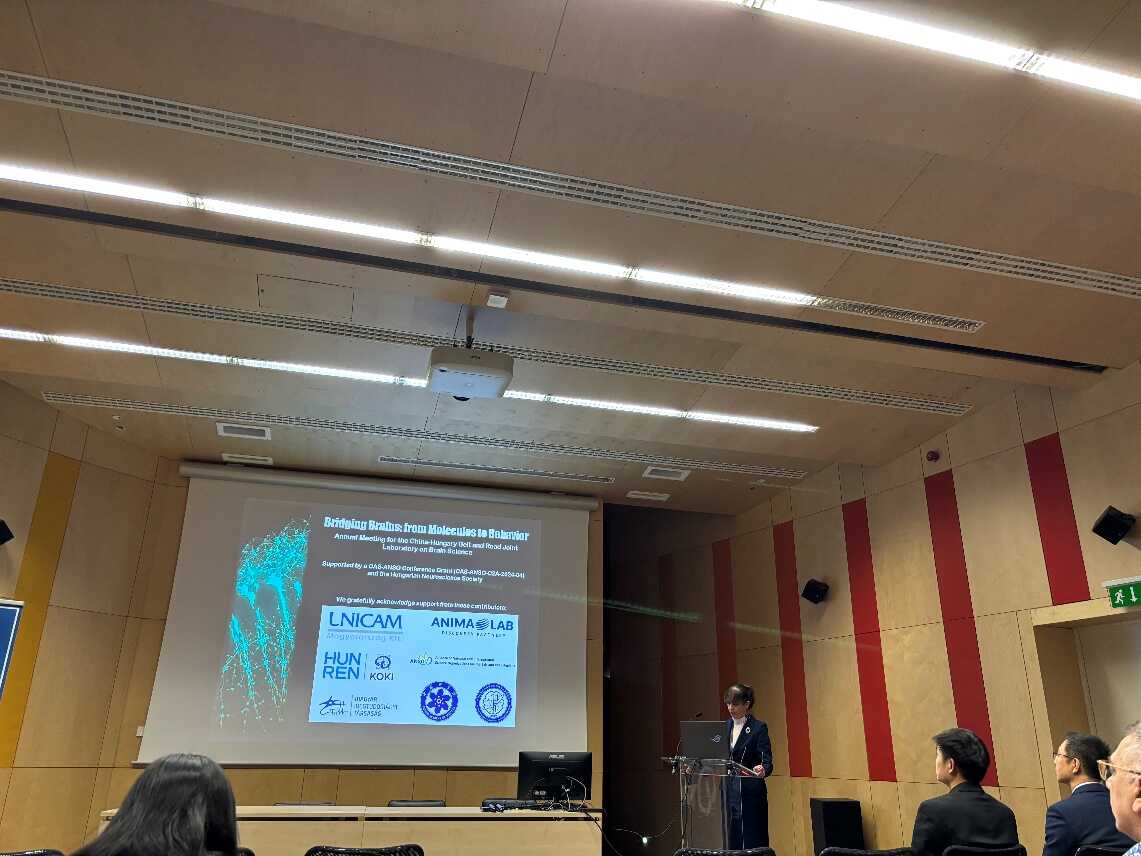
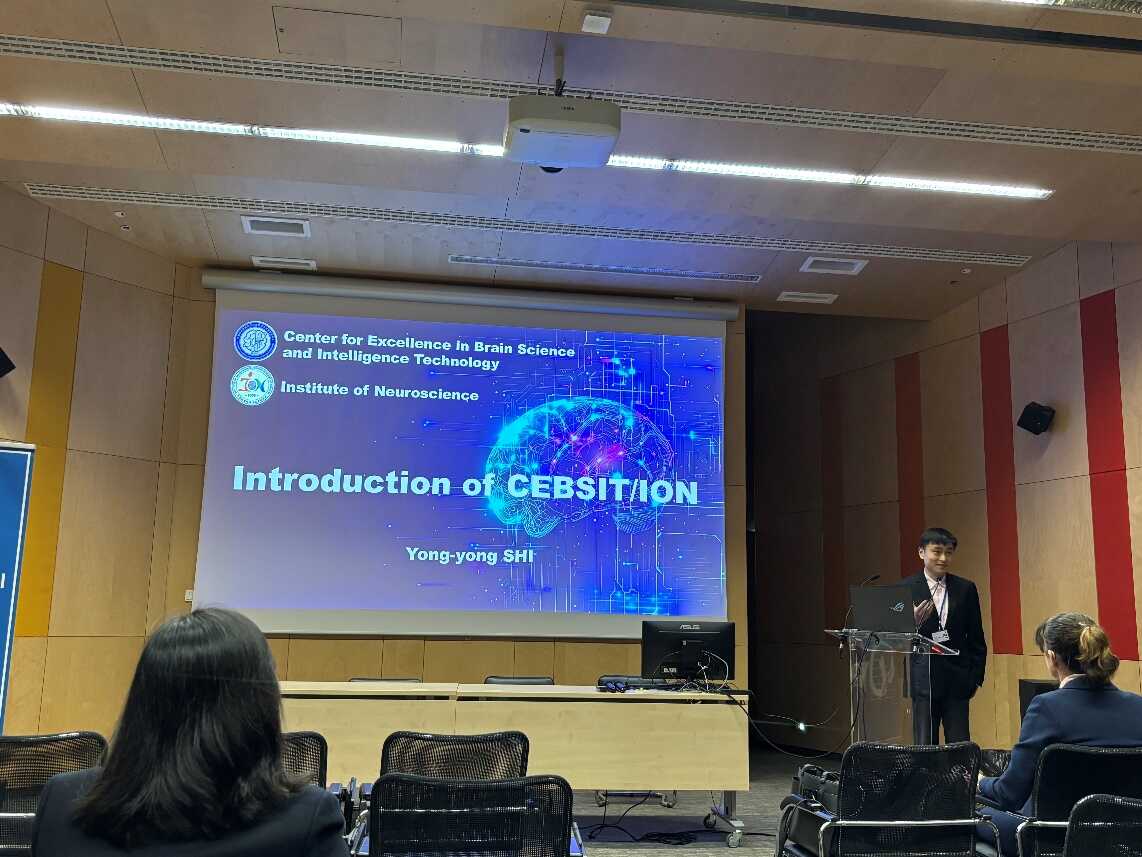
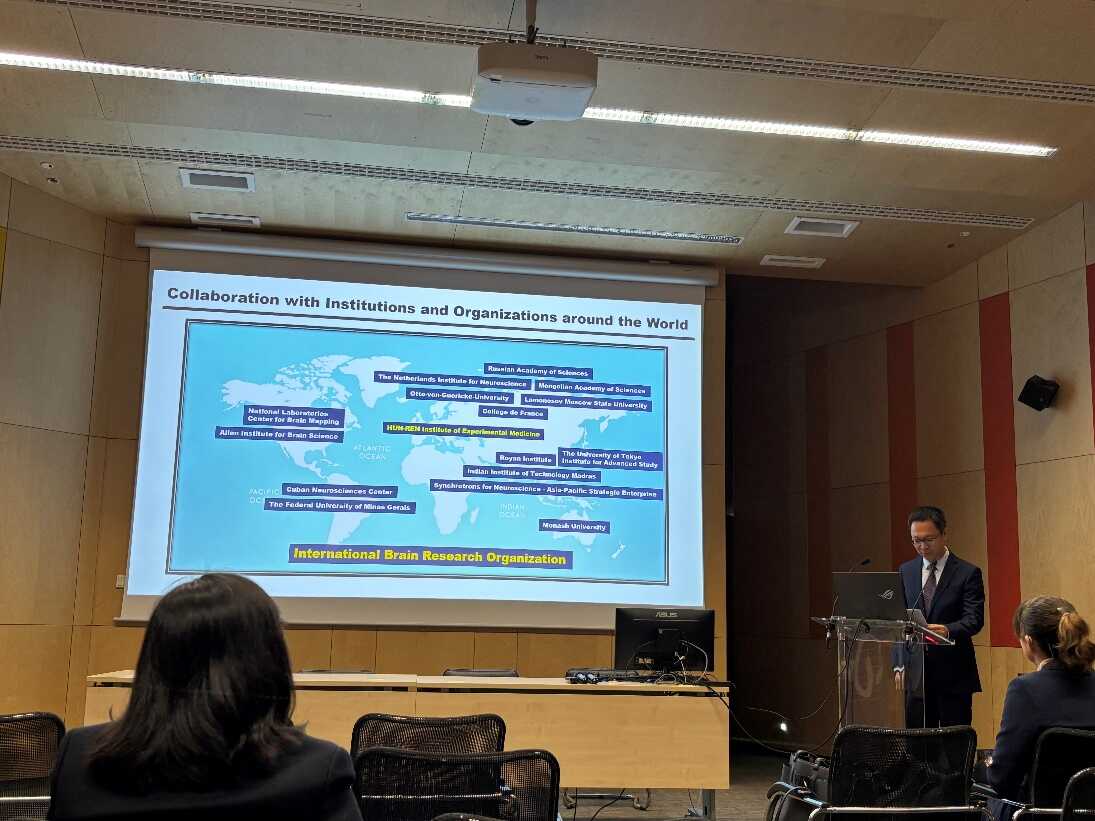
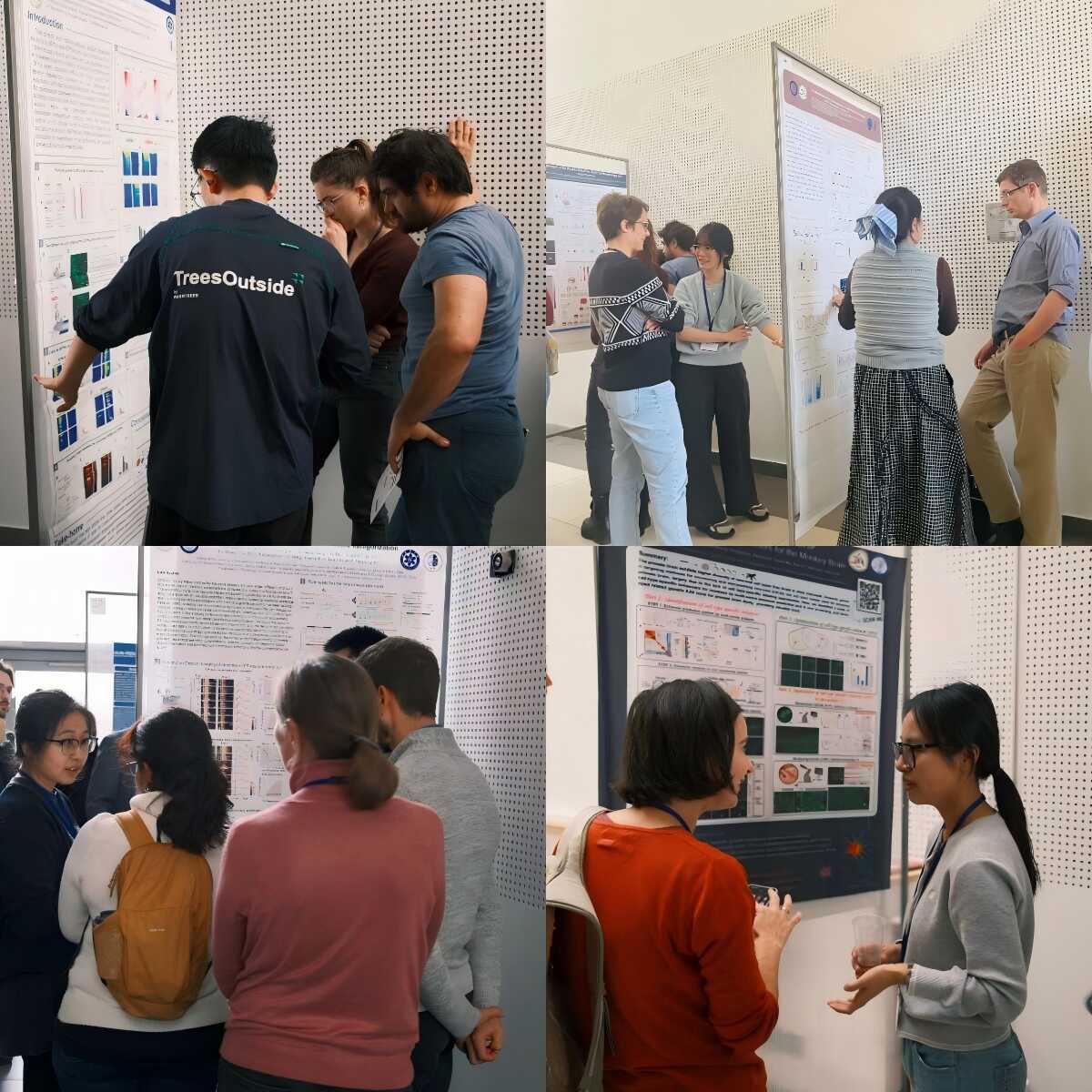
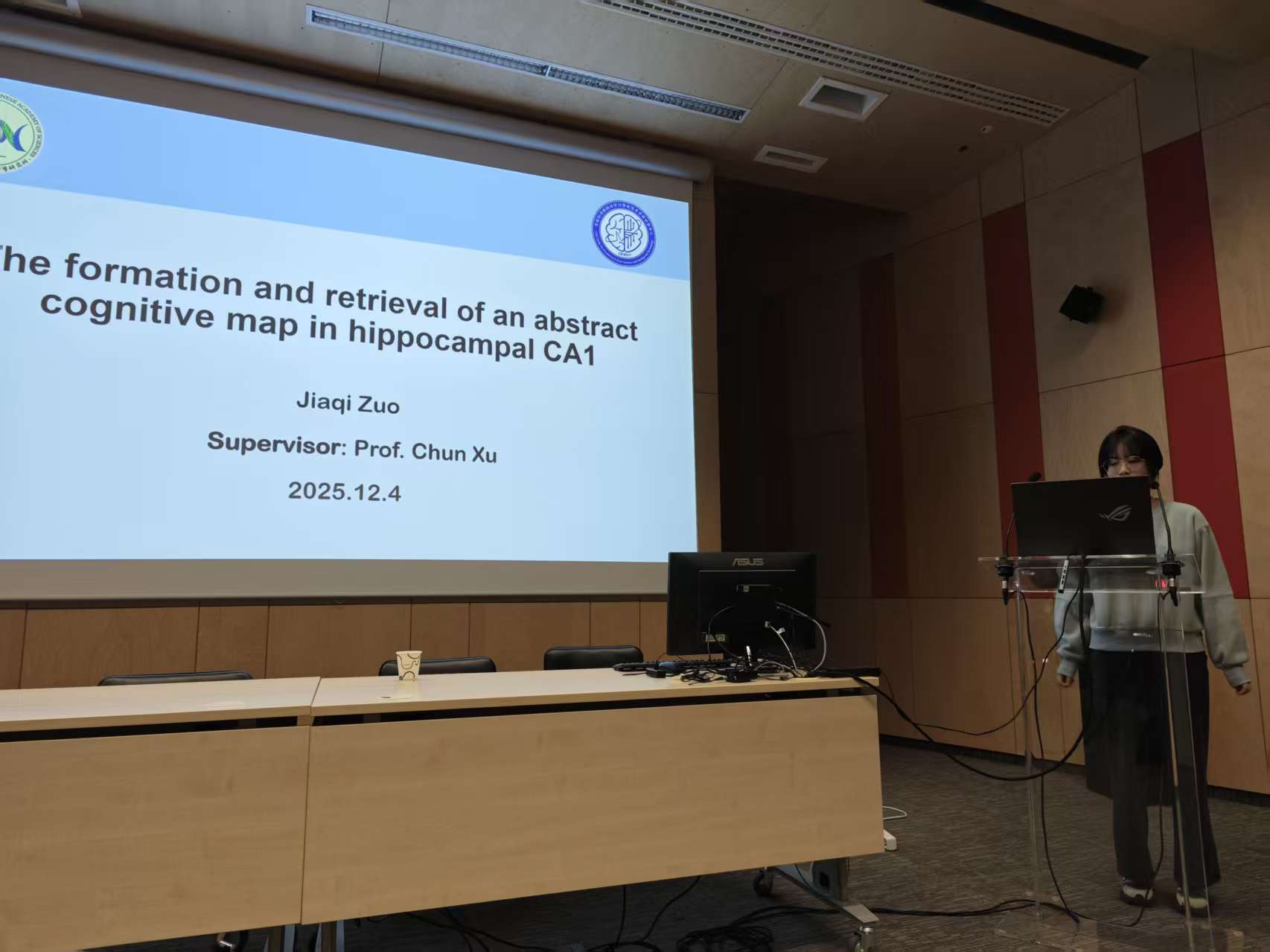
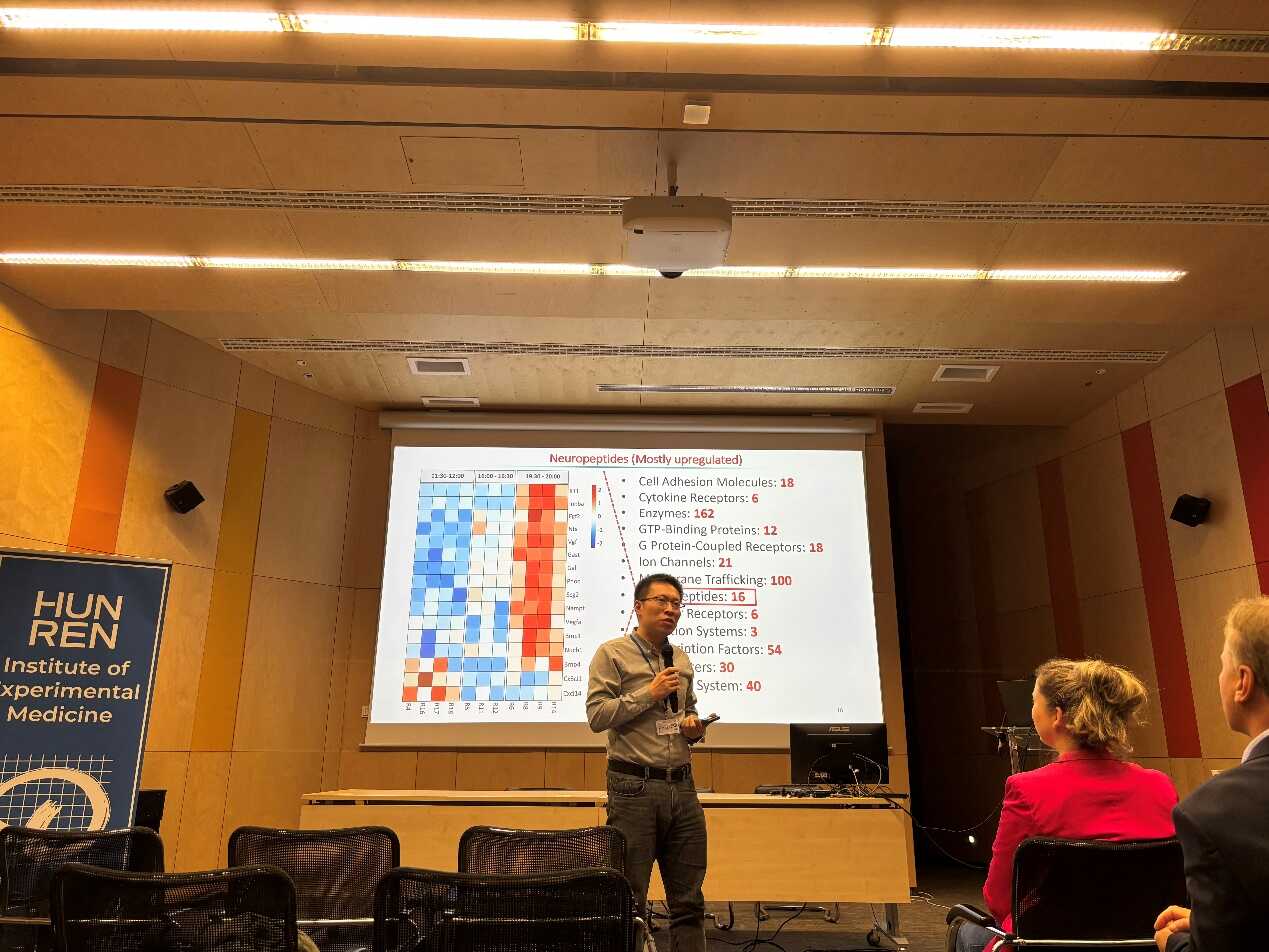
More than 20 high-level researchers presented progress reports on their recent research, followed by 8 flash talks from early-career researchers (including PhD students and postdocs). The organizers also arranged poster displays to facilitate academic exchange and capacity building for emerging research talent.
In closing, Prof. Xu Chun, Executive Committee Director of the joint laboratory, thanked the participants, summarized the meeting’s outcomes, and outlined the future directions for bilateral collaboration. This event further strengthened the China-Hungary brain science partnership and stands as a model of scientific cooperation under the Belt and Road Initiative framework.
 附件下载:
附件下载: 
